What Refill Stores Should Make In-House (and What to Buy Wholesale)
Feb 28, 2026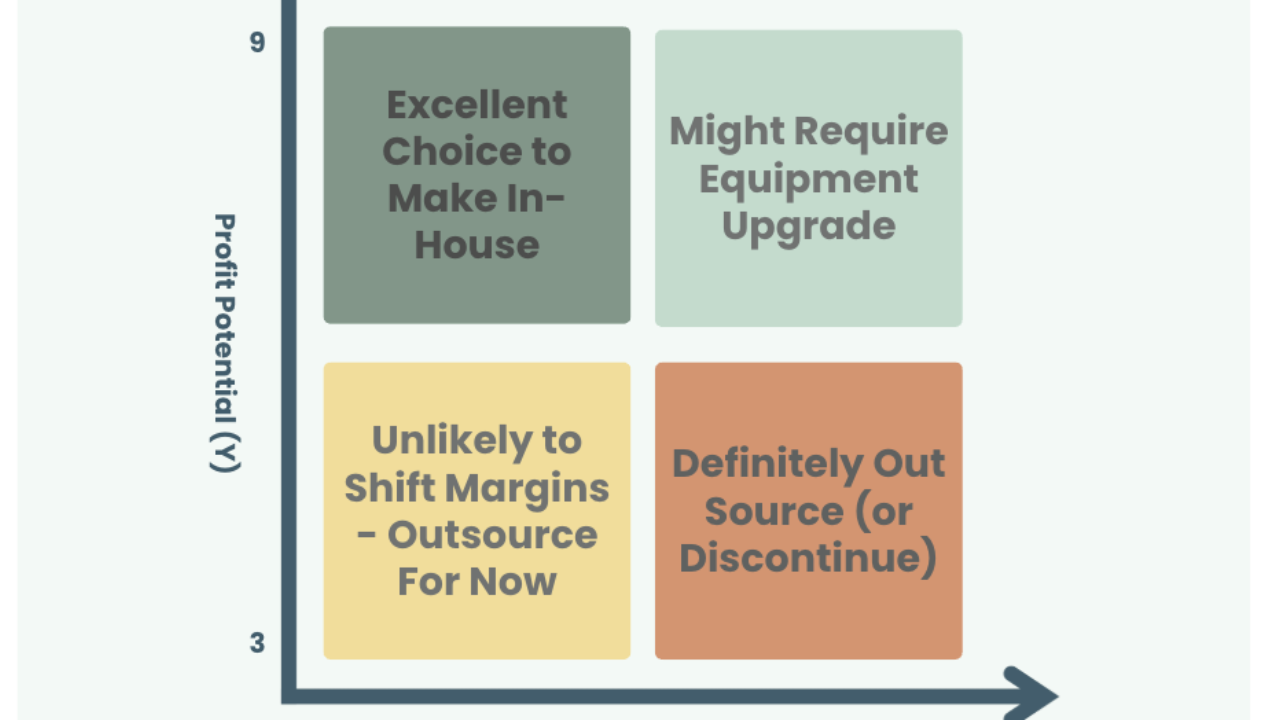
One of the questions I hear from people with refill shops is: “Should I be making my own products, or buying them wholesale?” and then the follow-up question usually comes right after: “If I do want to make things in-house, how do I decide which ones are worth making?”
In the early stages, most refillery owners default to buying everything. Wholesale products feel familiar, predictable, and tested. You don’t have to develop recipes, buy ingredients, or think about production.
But over time, something interesting starts to happen. Owners begin to notice that some products move quickly but don’t leave much margin. Others have a great margin but sell slowly. And occasionally there’s a product that customers absolutely love — something that becomes part of the shop’s identity. That’s when the question starts to shift from: “Should I make things?” to “Which things actually make sense to make?” And that’s a much more interesting question.
When I started paying attention to how different products behaved in my shop, I began to notice that not all products do the same job. Most refill shop products fall into three roles. If you look around your shop right now, you probably already have examples of all three – even if every product on your shelf is wholesale.
1. Traffic Drivers
Traffic drivers are the products that bring people back regularly. They anchor your shop in customers’ routines. These are the things people run out of: hand soap, dish soap, laundry detergent, and shampoo. Customers aren’t necessarily coming in for something exciting — they come in because they’re out of something ordinary.
Traffic drivers aren’t always the highest margin products. But they create consistent store visits and steady revenue. And steady revenue matters. If your store only sells high-margin specialty items but customers only buy them twice a year, it becomes very difficult to reach your monthly break-even point. Traffic drivers are what keep the lights on.
2. Profit Drivers
These are the items that generate strong margins relative to their cost of goods. Examples often include: cleaning concentrates, scouring powders, simple salves, bar soap, and dry body powders. The cost of goods sold (COGS) is low compared to their retail price, delivering a good percent profit margin. These are popular products that retail very well in a refill environment. These products retail well because customers already understand their value — but the actual cost to produce them can be surprisingly low. They are simple to produce, stable, consistent, and refill beautifully.
3. Brand Storytellers
Storytellers are the products that make your shop memorable. They’re often the reason people recommend your store to a friend. They’re not always the highest volume items, but they create an emotional connection. Examples might include: seasonal scents, collaborations with local makers, limited edition blends, a signature salve or body product. These products communicate your personality and values. They’re the things people talk about when they recommend your store. “Have you tried their lavender salve?” “They make the best bath soak.” Storytellers are where creativity lives. And interestingly, they often become profit drivers over time once customers fall in love with them.
A healthy shop needs all three categories - even if everything you sell is purchased for resale. If you look at your product lineup, you probably already sell a traffic driver (likely laundry detergent), a profit driver (maybe a cleaning concentrate), and a storyteller (a special local product). The real opportunity comes when you start asking: “Which of these products would make sense for me to produce myself?” Not all of them. But maybe one. Or two. The magic comes with choosing intentionally.
When Does It Make Sense to Make Something Yourself?
A product doesn’t need to check every box — but strong candidates usually hit several of these.
- It’s simple to produce. If a product requires specialized chemistry, regulatory testing, or expensive equipment, it’s probably not where you want to start. In fact, before buying any new piece of production equipment, it’s worth running the numbers carefully. I wrote about how to evaluate those decisions here: Should You Buy New Equipment? A Payoff Calculator for Makers.
- The margin difference is meaningful. Sometimes wholesale pricing is already competitive. Other times the difference is enormous. That’s where making something yourself can completely change the economics of your store. (If you’re curious how these numbers play out across an entire product line, the Lean Refillery Profit Simulator explores this in more detail.)
- The product scales easily. A good refill product should be just as easy to make in a gallon batch as it is in a quart. Powders, concentrates, and bars tend to scale beautifully.
- It reinforces your brand. Your in-house products should feel like a natural extension of your shop’s identity.
- Customers will come back for it. Consumables create recurring revenue. Refill shops thrive when customers need to come back regularly.
Want Help Deciding What to Make First?
One of the things I teach in the Lean Refillery course is how to analyze products using margin, labor, and operational simplicity. To make this easier, I created a simple workbook that walks through a few real examples and helps you evaluate potential products for your own shop. The worksheet focuses on product categories that are often the easiest place for refill shops to begin making things in-house – products that: require minimal equipment, have long shelf life, scale easily, and perform well in refill environments.
Request the Lean Refillery Make-or-Buy Product Decision Workbook
Click the link below and I’ll send you the workbook along with a few additional resources that might be useful as you think about what to produce in your refillery.
Get The Lean Refillery Make-or-Buy Product Decision Workbook
It includes a simple evaluation tool, along with some counterintuitive insights about which products are actually the best candidates for in-house production.
In the Lean Refillery course, we go much deeper, using margin calculators, equipment payoff tools, and decision matrices to evaluate product ideas.
If you take nothing else from this, remember this: not every product in your shop needs to be made in-house. But a few carefully chosen ones can completely change the economics of your store.
When you start looking at your shelves through the lens of traffic drivers, profit drivers, and storytellers, the make-vs-buy decision becomes much clearer. Some products are there to bring people through the door. Some quietly generate the margin that keeps the business healthy. And some are the things that make customers fall in love with your shop.
The goal isn’t to manufacture everything.
It’s to build a product lineup that works together — supporting steady traffic, healthy margins, and a brand people remember. For many refill shops, that might mean starting with just one or two products made in-house. Something simple. Something repeatable. Something customers will come back for.
Once you see how that changes your margins, your confidence in production tends to grow from there.
If you’d like help thinking through which products might be good candidates for your own shop, the workbook above gives you a framework to evaluate your own product lineup.
Start simple. Pay attention to what your customers love. And build from there. Most refill shops don’t need dozens of in-house products. Often, one or two well-chosen ones are enough to change the math of the whole store.
Run a sustainable business without burning out.
Learn to simplify operations, tighten margins, and build a business that truly supports you.
The Lean Refillery: A Blueprint for Sustainable Micro-Manufacturing